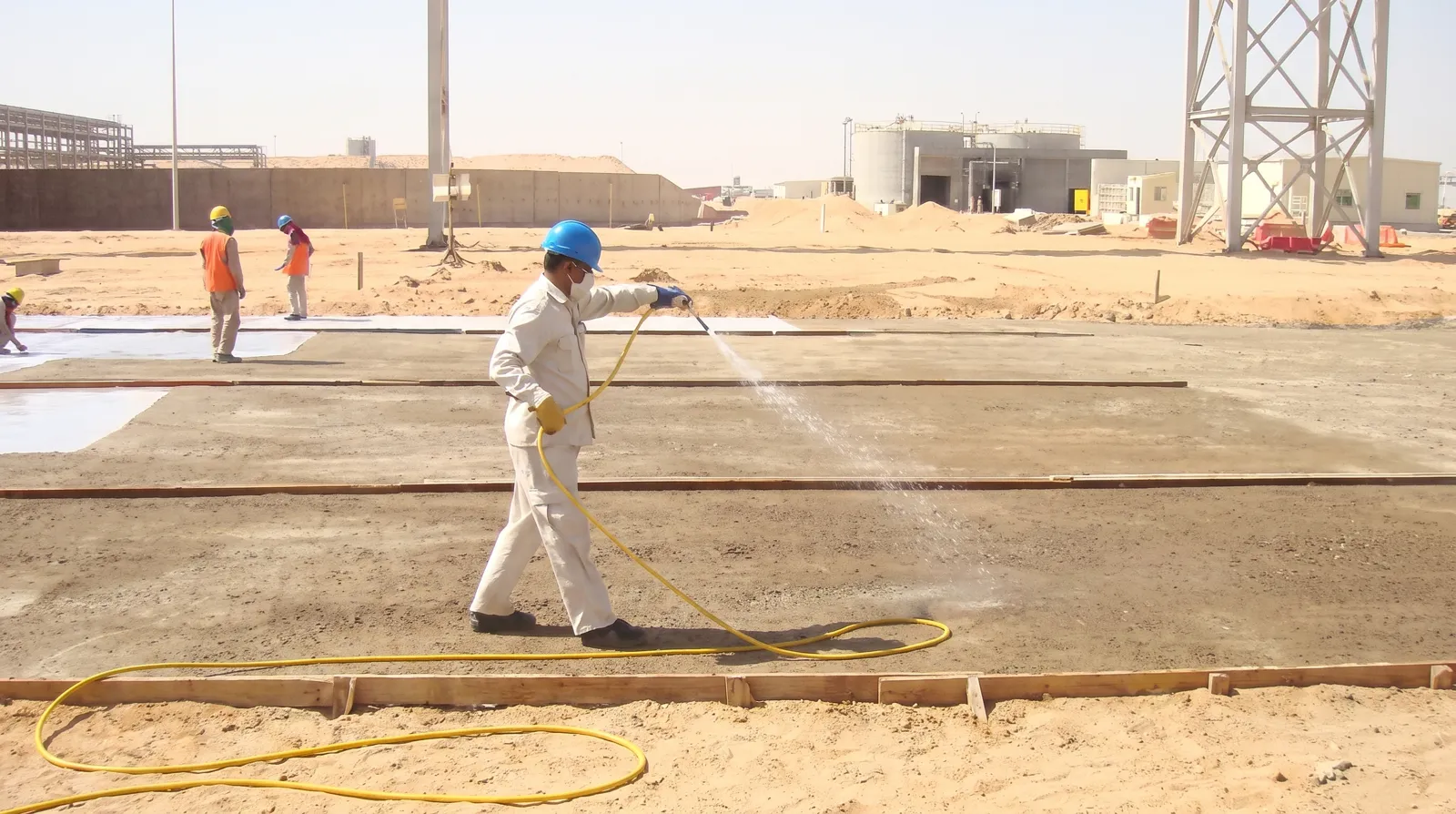
Anti-Termite Soil Treatment
Anti-termite soil treatment puts a continuous barrier of termiticide into the soil under and around a building, so subterranean termites cannot tunnel into it. It is best done during construction, before the floor slab is cast, and can also be applied around existing buildings where the soil is accessible.
Last updated 27 October 2026
- Best for
- New builds, extensions and renovations with exposed soil
- When
- Before the floor slab is cast, or around existing buildings
- Protects against
- Subterranean termites entering from the ground
- Inspection
- Free site visit or building plan review
How anti-termite soil treatment works
- Site check
We look at the plot, soil, drainage and building plan to decide which areas need treating.
- Soil preparation
The ground is levelled and cleared so the solution soaks in evenly and reaches every part of the footprint.
- Barrier application
A termiticide solution is applied evenly over the building footprint and along foundations, at the rate set on the product label.
- Critical points
Extra attention goes to where pipes, columns and walls pass through the ground, the usual termite entry points.
- Treatment record
You receive a record of the date, areas treated and product used, useful for handover and future inspections.
When to choose soil treatment
A good fit if you are
- Building a new house, extension or commercial building
- Renovating and the floor has been hacked down to the soil
- Protecting a landed property with garden or soil around the perimeter
- A developer or contractor that needs pre-construction treatment
Consider another option if
- The building is finished and the floor can't be lifted: see slab injection
- Termites are already active inside: see the baiting system
Work you can check, not just trust
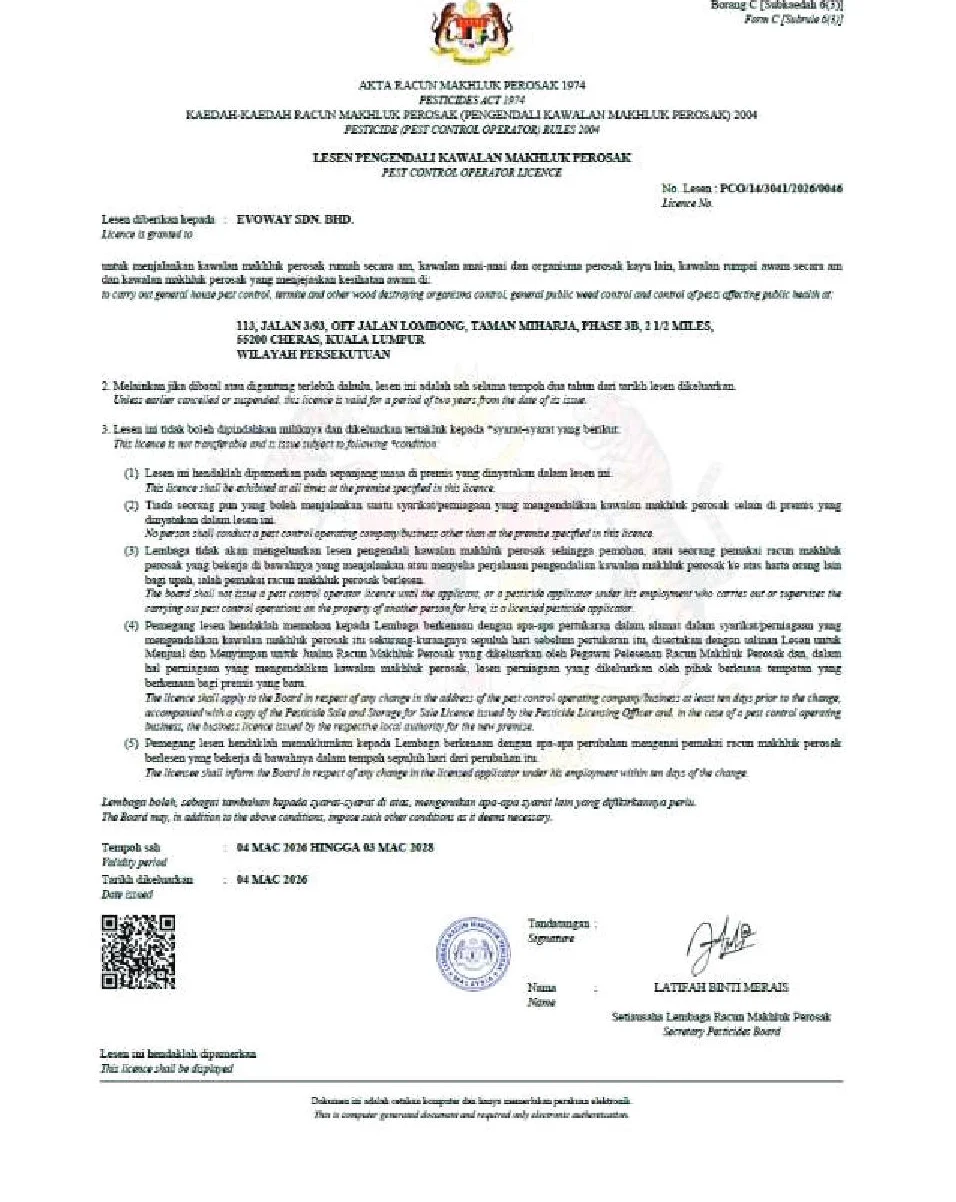
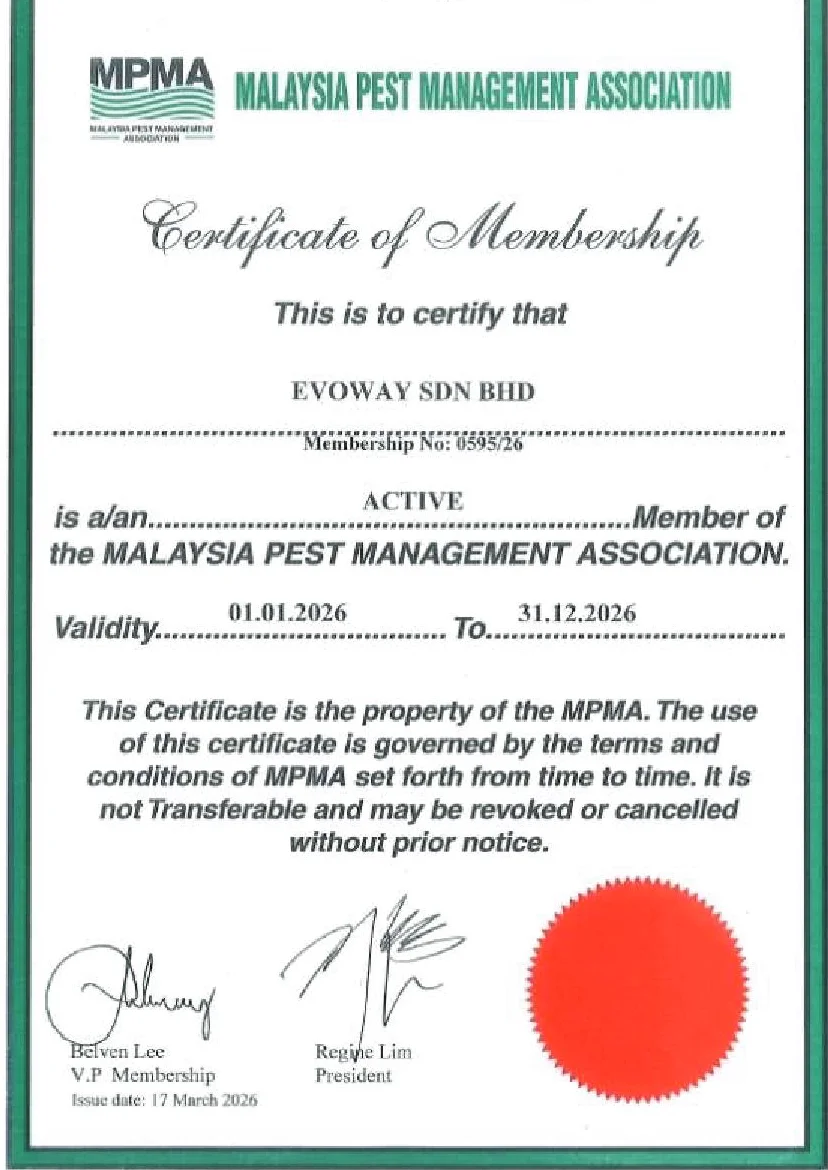
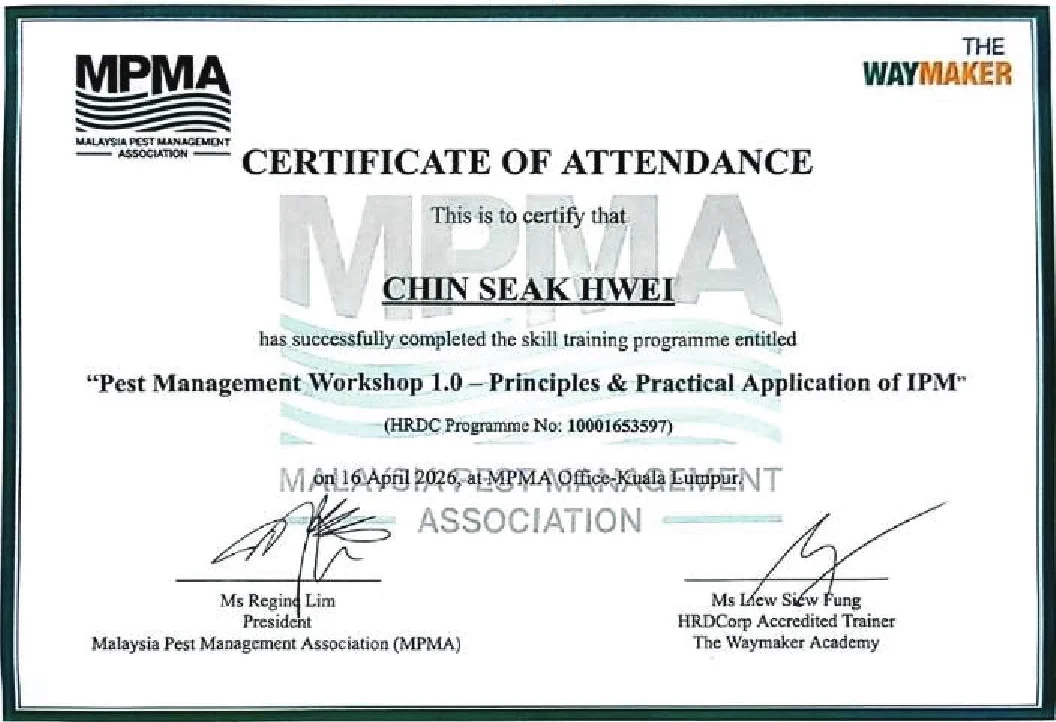
Evoway Sdn Bhd (SSM 202301012571) is a licensed pest control operator and a member of the Malaysian Pest Management Association (MPMA). Our technicians are trained on the termite systems we install.
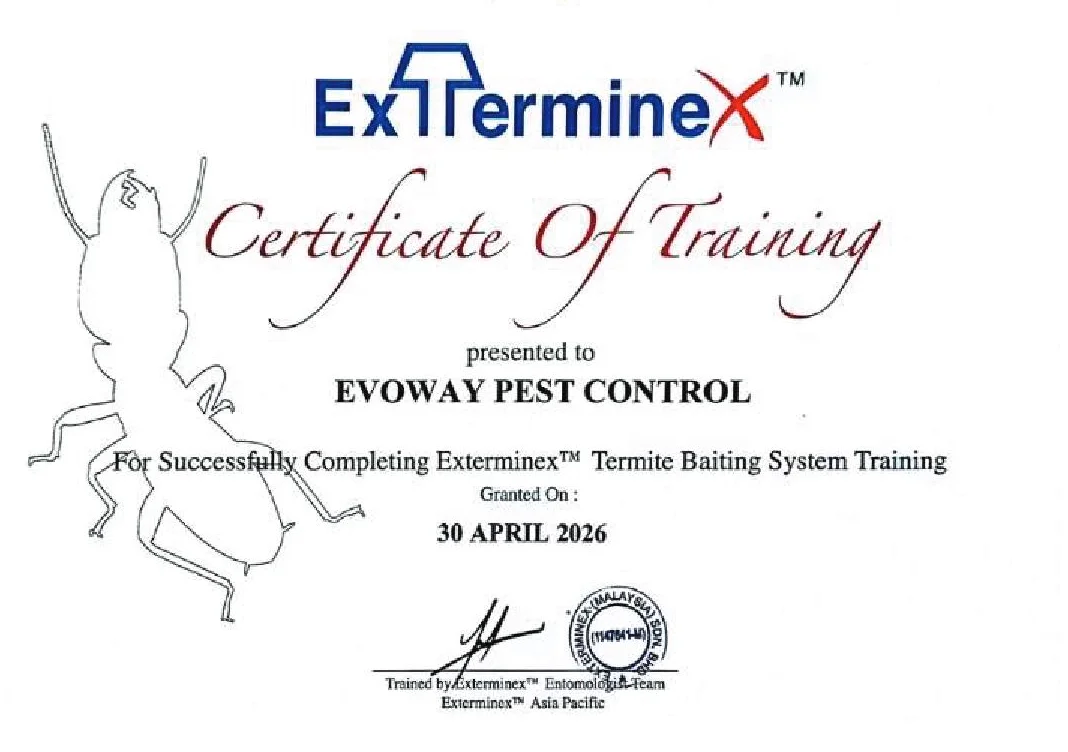
Professional products from trusted brands




Soil treatment questions
When should anti-termite soil treatment be done during construction?
After the site has been levelled and prepared, and before the ground floor slab is cast. At that point the whole footprint of the building can be treated evenly. We coordinate the timing with your contractor so the treatment is not disturbed before the concrete goes down.
Can soil treatment be done on an existing house?
Yes, around the outside of the building wherever the soil is accessible, such as gardens, planter boxes and along drains. To protect the area under an existing floor, slab injection is used instead, because the soil there cannot be reached directly.
Does soil treatment kill the termite colony?
Soil treatment is a barrier: it stops and kills termites that try to cross it into the building. It does not target the colony itself. If termites are already active inside the building, we usually recommend a baiting system as well.
Is anti-termite soil treatment safe?
The treatment is applied into the soil by trained technicians, using registered products at the rate set on the label. We will tell you how long to keep children and pets away from treated areas while the soil absorbs the solution.
How much does soil treatment cost?
It depends on the area to be treated and the site conditions. We quote after a free site inspection or a look at your building plan.
Compare your options
Not sure this is the right one? We recommend a treatment after inspecting your property, and some buildings need two methods combined.
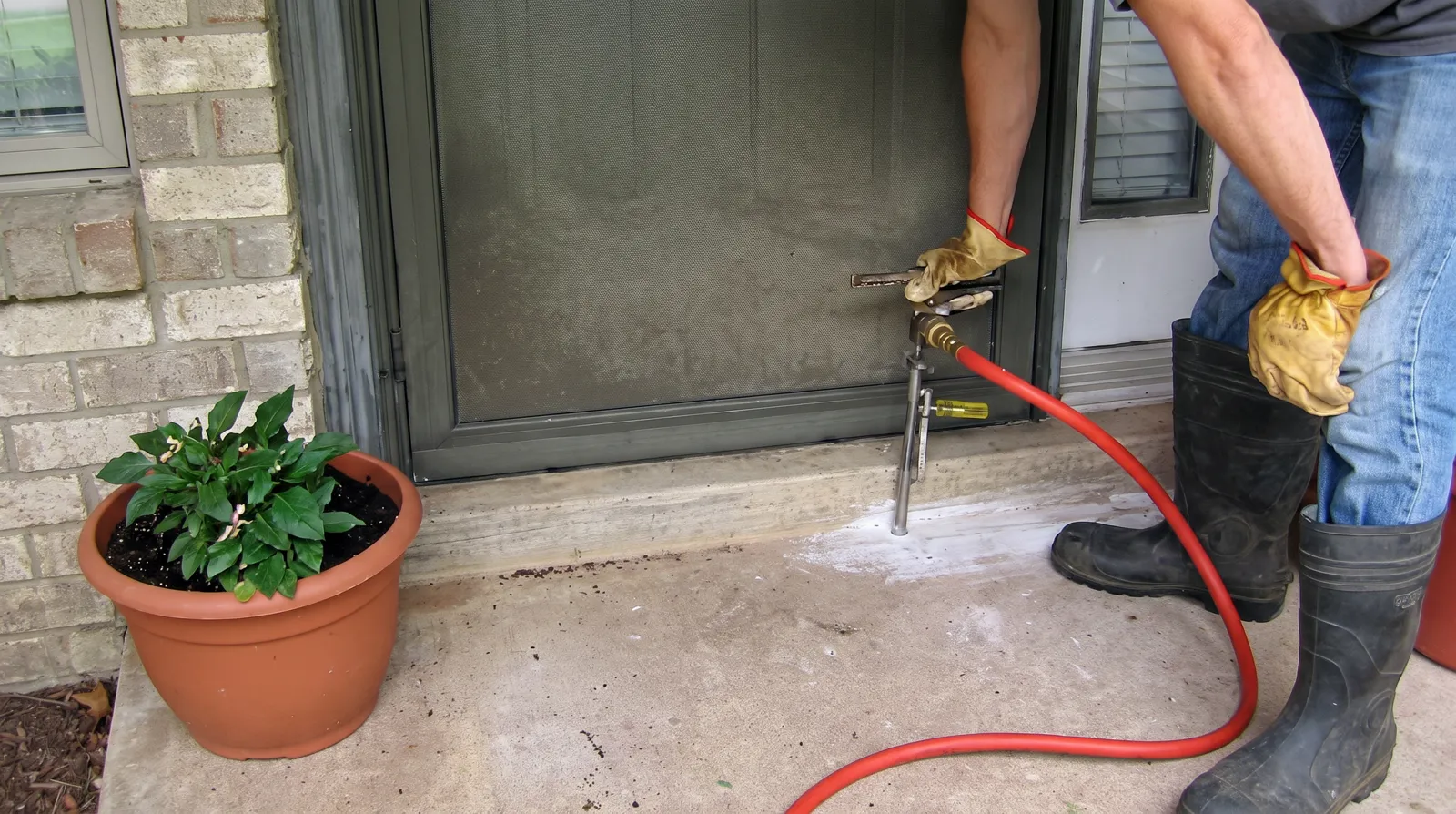
Termite Slab Injection
Termiticide injected through small holes in the floor slab, creating a barrier underneath a building you already live or work in.
How it works →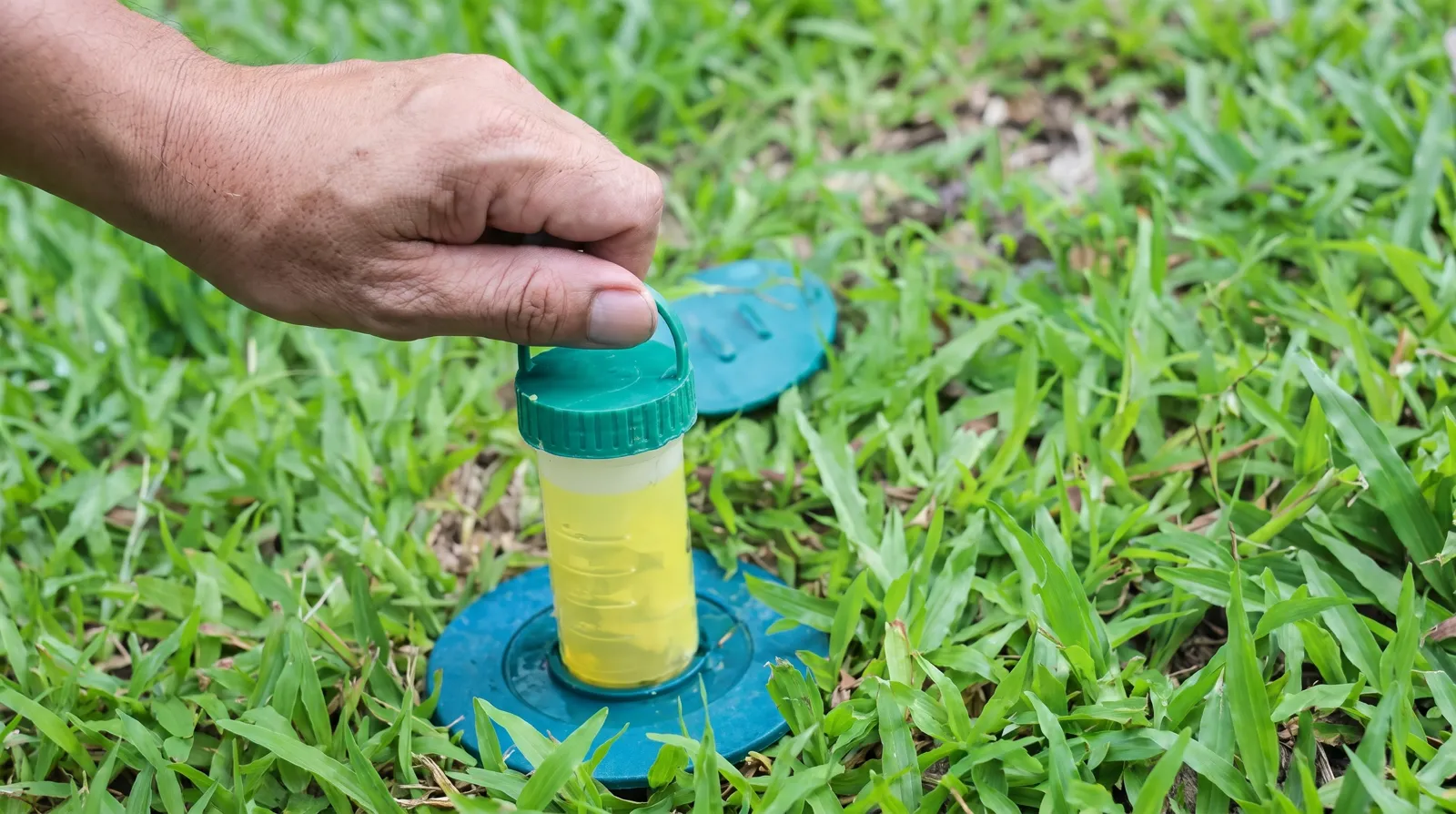
Termite Baiting System
In-ground or in-concrete stations that detect termite activity, then use bait the termites carry home to eliminate the whole colony.
How it works →Got a pest problem? WhatsApp us.
Tell us what pest you're seeing, where your property is and whether it's a home, F&B outlet or commercial premises. We'll arrange a free site inspection and a clear quotation.
Tip: send a photo or short video of the pest or damage. It helps us advise faster.