Cold Fogging & Larviciding
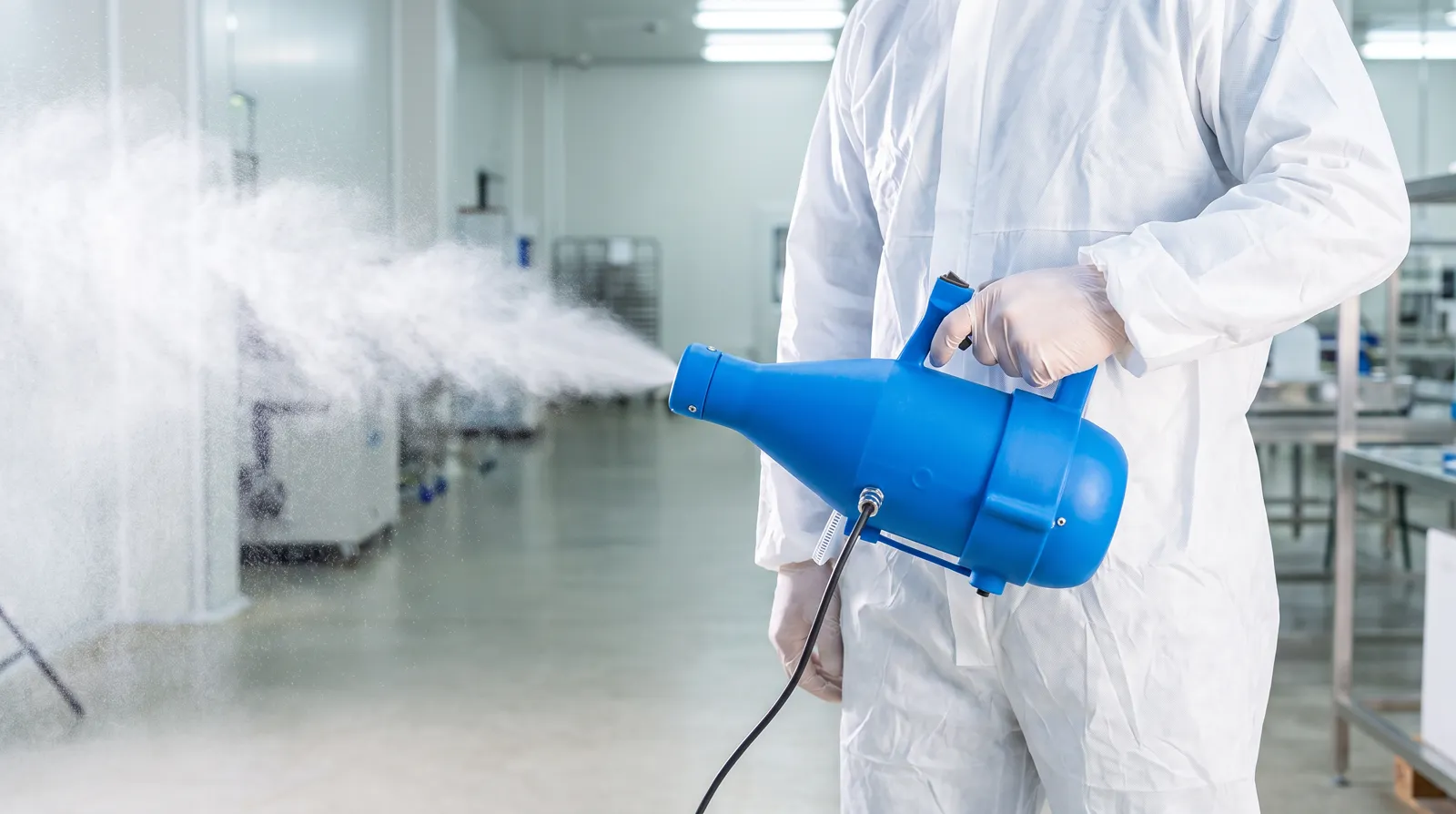
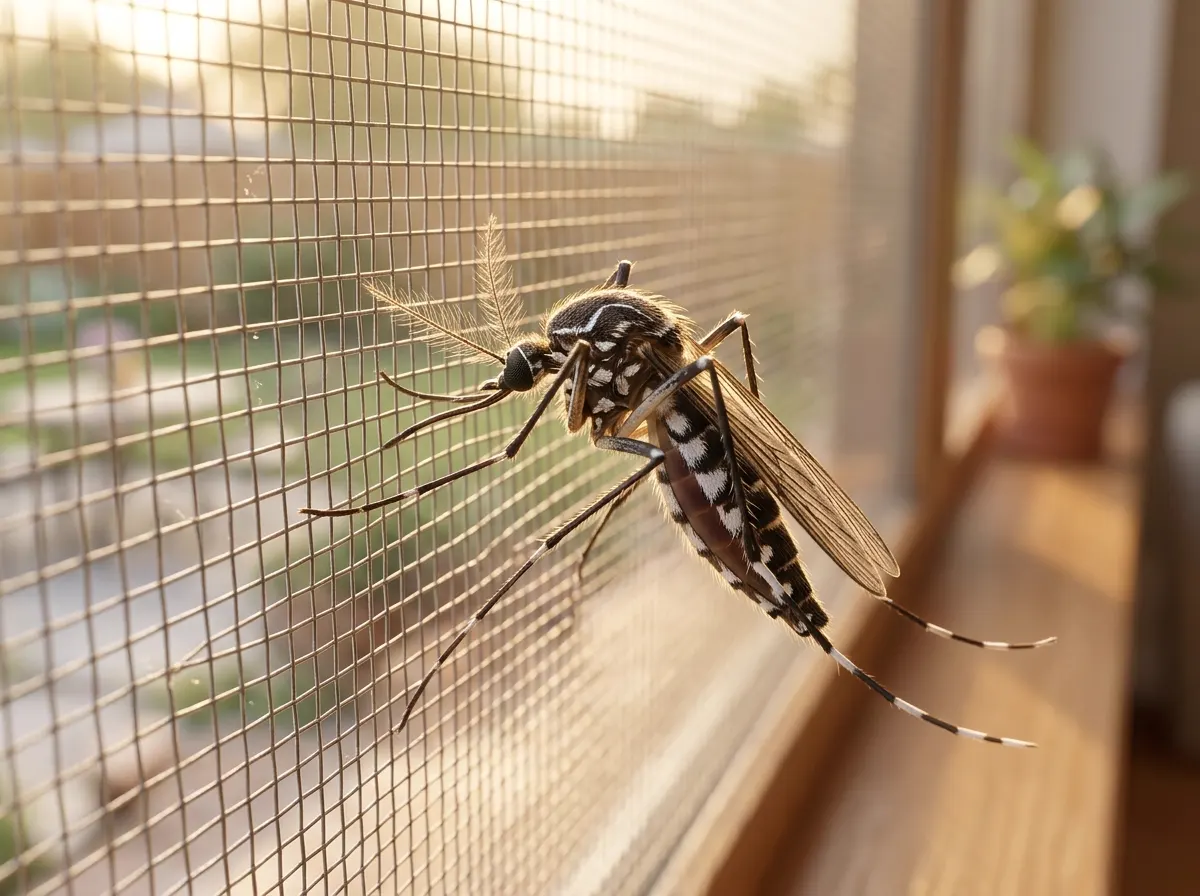
Cold fogging produces a fine, non-heated fog that fills enclosed indoor spaces and reaches into corners and gaps, without producing high temperatures. It is used for mosquitoes indoors and in semi-open areas, together with larviciding of breeding water, and for other insects in enclosed rooms.
Last updated 28 October 2026
- Type
- Non-heated fog + larviciding
- Targets
- Mosquitoes and insects in enclosed spaces
- Best for
- Homes, offices, dormitories, warehouses
- Heat
- No high temperatures
How cold fogging works
- Inspect
We find where insects rest and breed inside the premises.
- Larvicide
Breeding water that cannot be removed is treated so larvae do not develop.
- Prepare
Food is put away, windows closed, and people and pets leave the area.
- Fog
A cold fogger fills the room with a fine fog that settles into corners and gaps.
- Ventilate and report
After the set time the area is aired, and you get a service report.
Pests we use cold fogging for
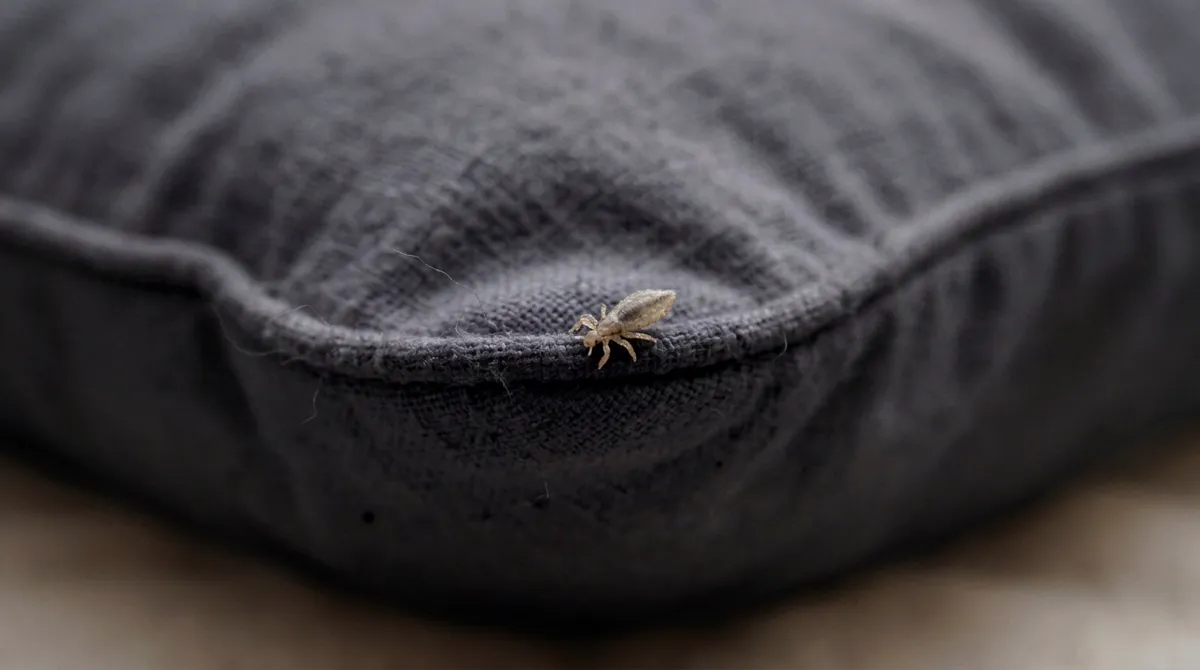
Cold fogging suits enclosed spaces where heat is not suitable:
Preparing for cold fogging
Before we arrive
- Put away food, dishes and utensils
- Close windows and doors
- Make sure people and pets leave the area
- Cover fish tanks and turn off pumps; cover sensitive electronics
After the treatment
- Wait the time we advise before going back in
- Open windows to air the room
- Wipe food preparation surfaces before use
Work you can check, not just trust
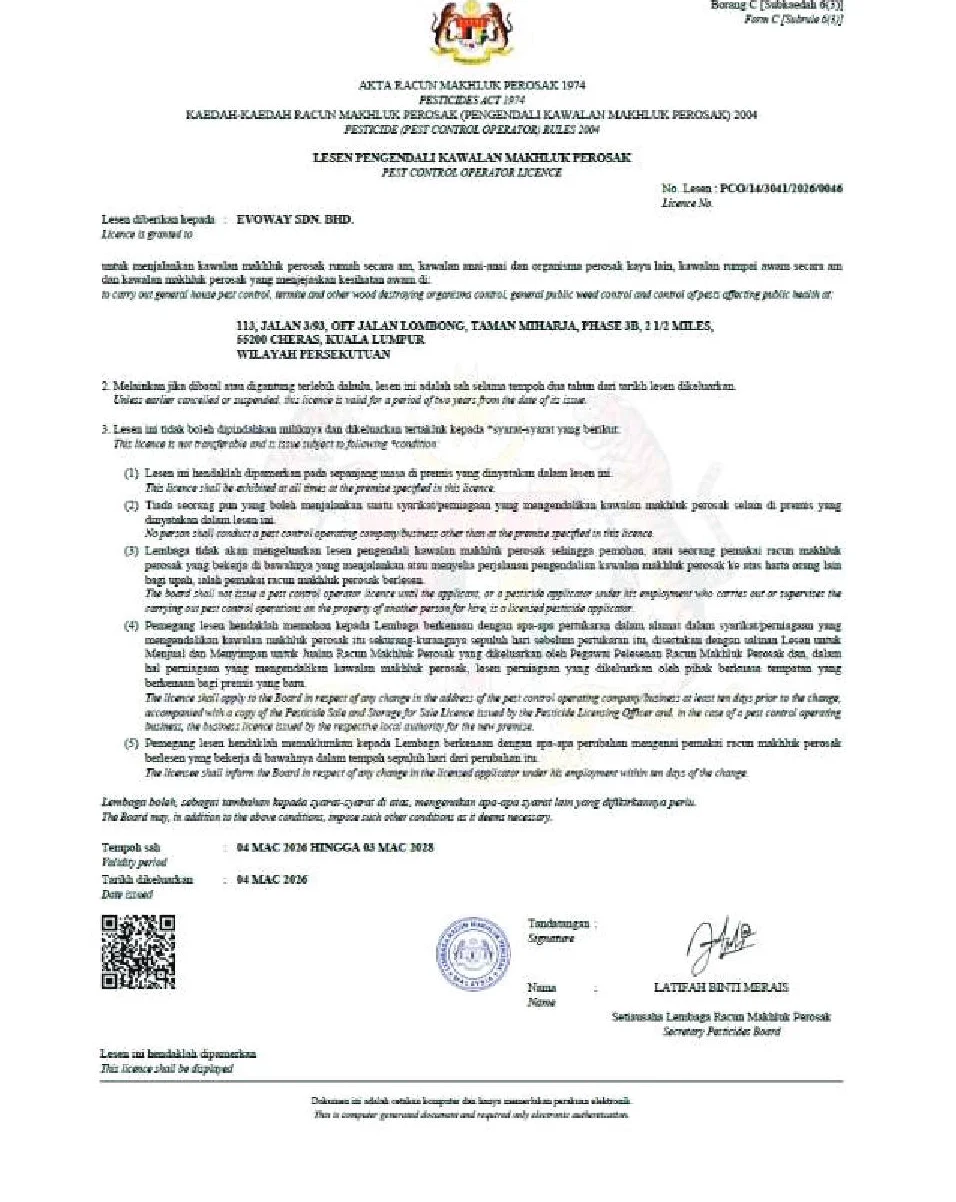
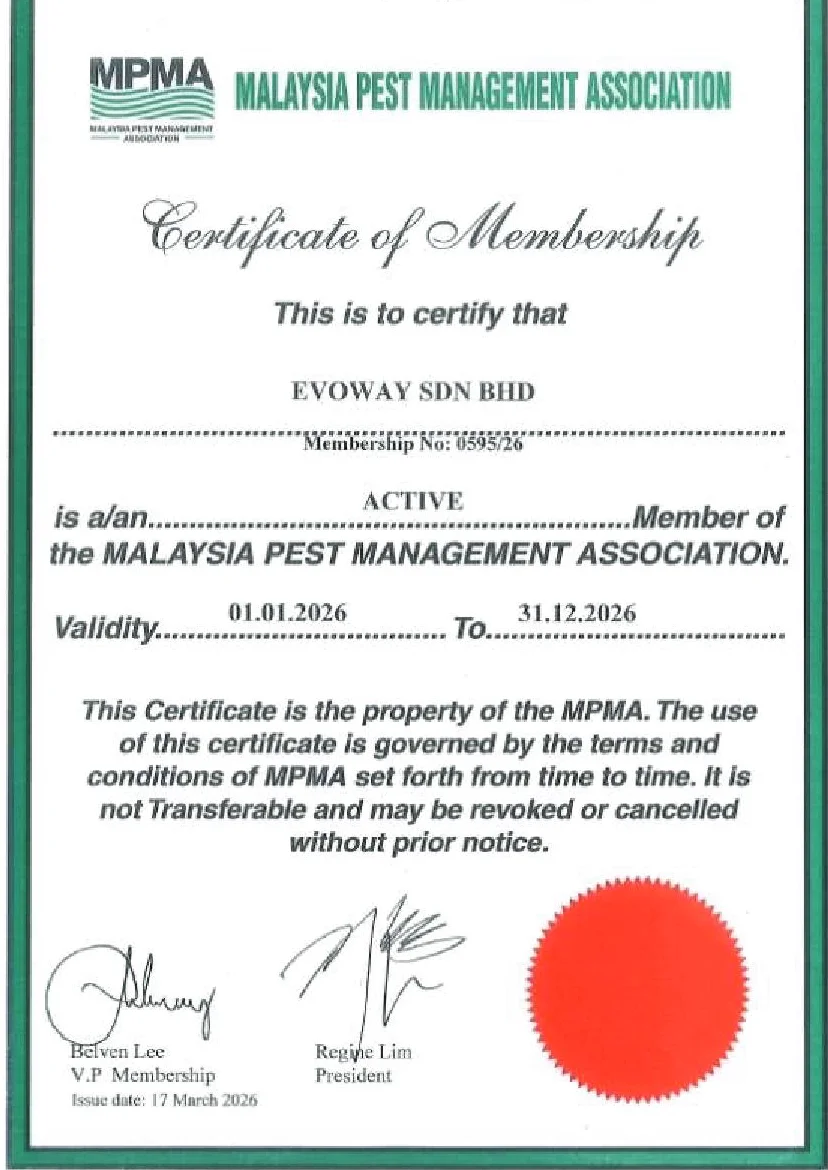
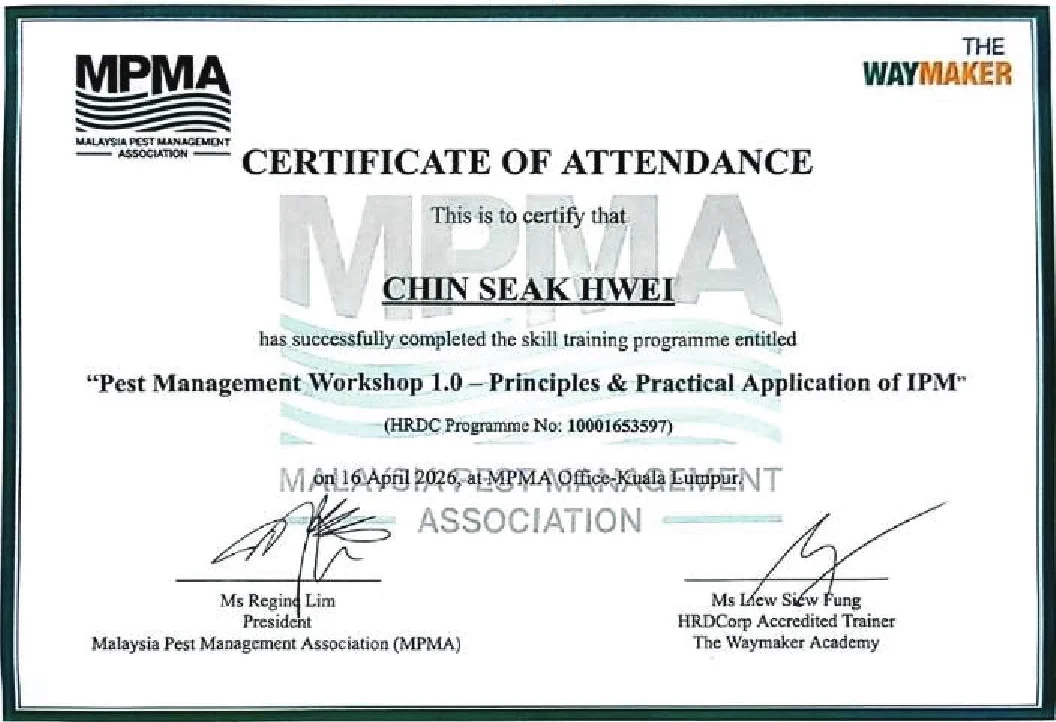
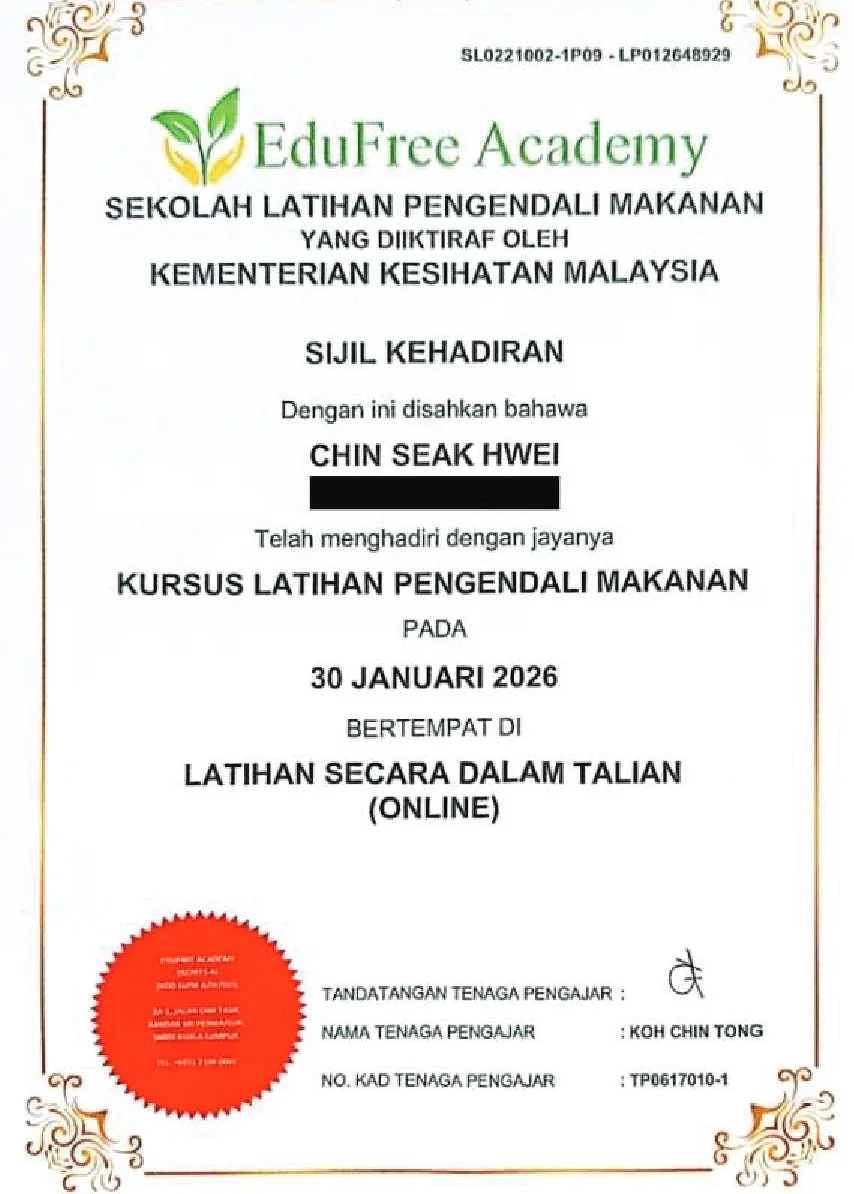
Evoway Sdn Bhd (SSM 202301012571) is a licensed pest control operator and a member of the Malaysian Pest Management Association (MPMA). Our technicians are trained on the methods and products we use.
Professional products from trusted brands




Cold fogging questions
What is cold fogging?
A method that turns insecticide into a fine fog without heat, so it is suitable for enclosed indoor spaces. The fog fills the room and settles into corners and gaps where insects hide.
What is the difference between cold and thermal fogging?
Cold fogging uses no heat and suits indoor and enclosed areas. Thermal fogging uses heat to create a dense visible fog for large outdoor spaces.
Do I need to leave during cold fogging?
Yes, people and pets should leave the area during treatment and until the time we advise has passed. We explain the timing before we start.
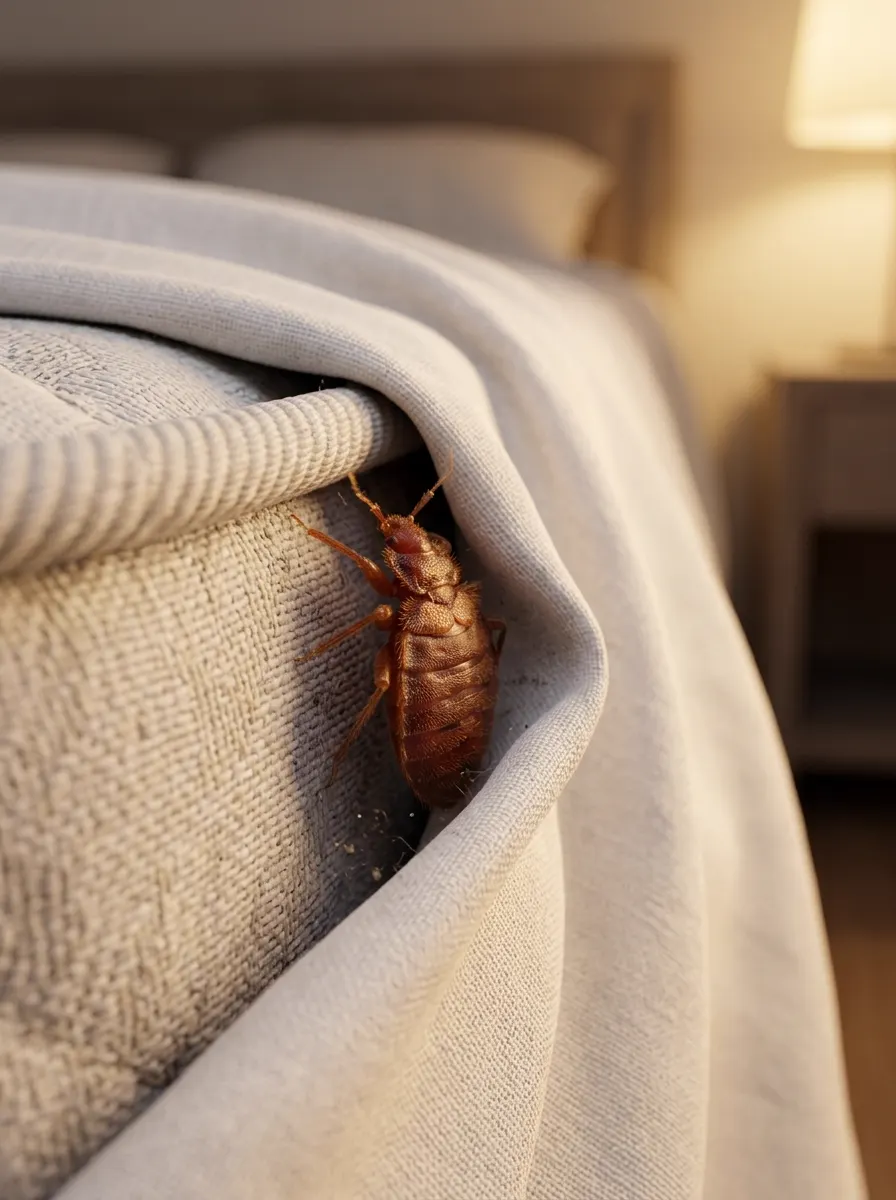
Is cold fogging used for bed bugs?
It can be used in enclosed bedrooms alongside residual spraying of hiding places. We recommend the right combination after inspecting.
Compare treatment methods
We choose the method after inspecting your premises, and many jobs combine two.
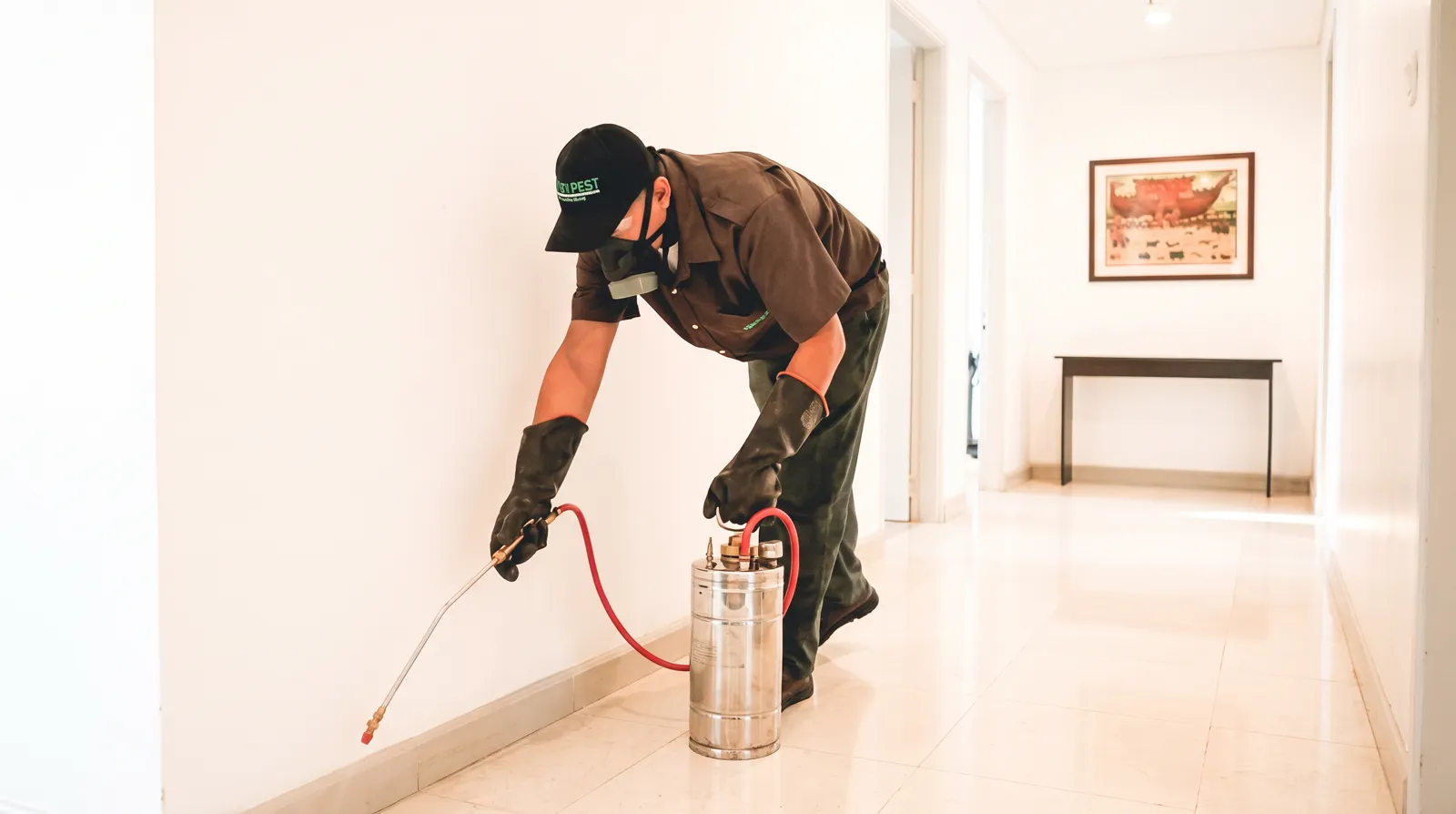
Residual Spraying
A long-lasting surface treatment along cracks, drains, skirting and harbourage points that keeps working after it dries.
How it works →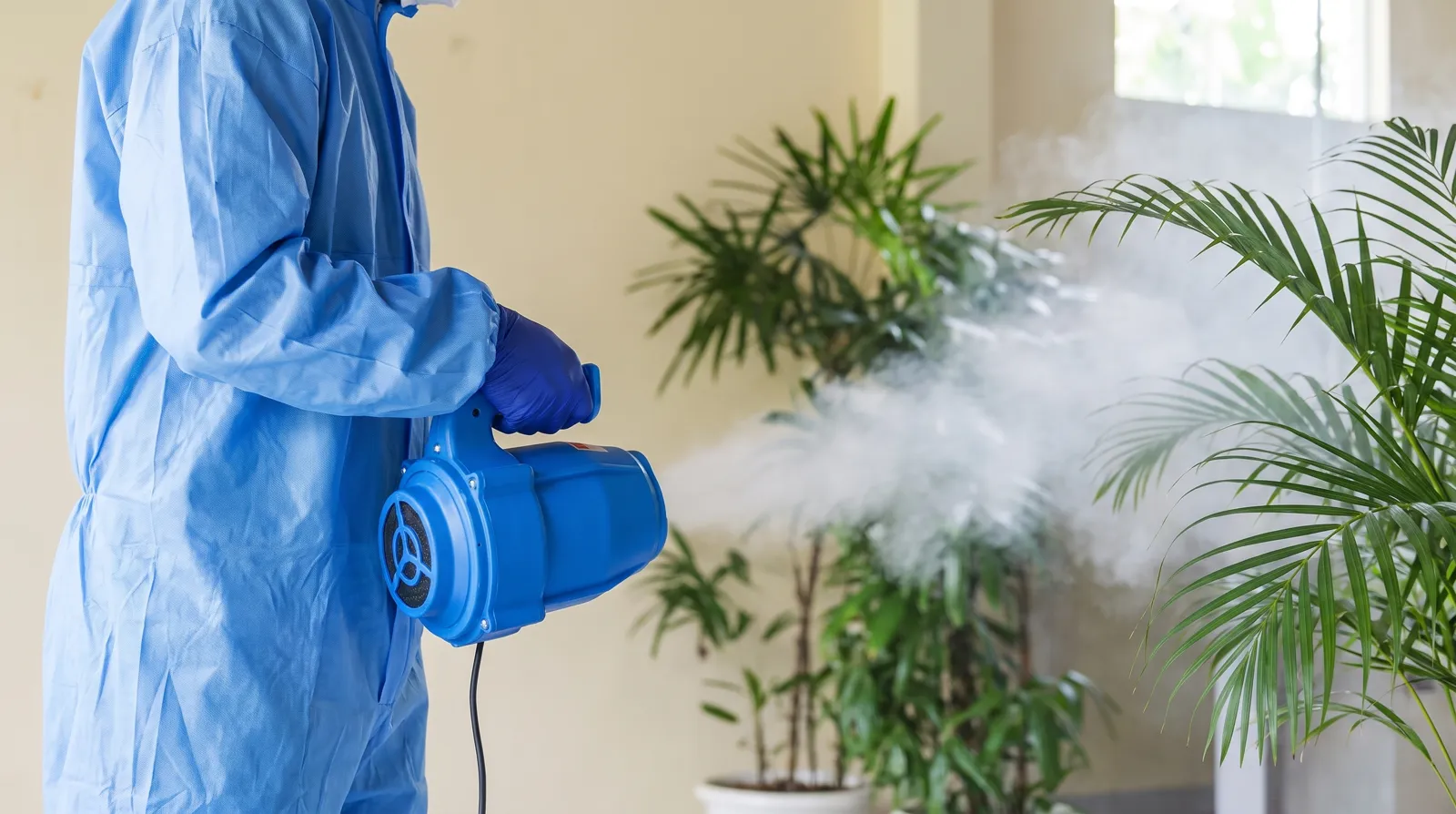
ULV Misting
Ultra-low volume misting that spreads very fine droplets into hard-to-reach spaces, for flying insects and hidden pests.
How it works →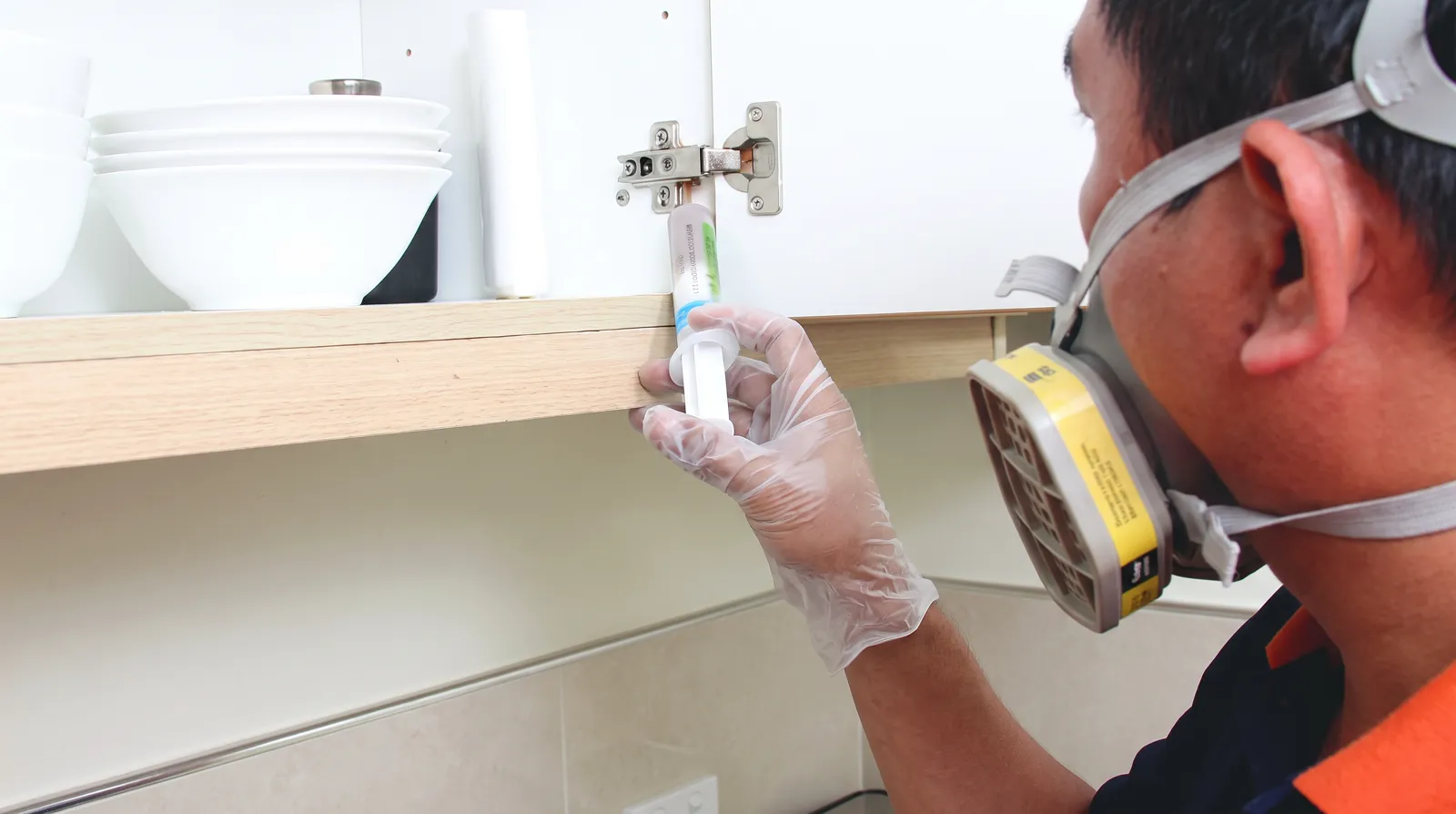
Gel Bait Treatment
Small dots of bait placed in cracks and crevices. Ants and cockroaches carry it back to the nest, treating the colony.
How it works →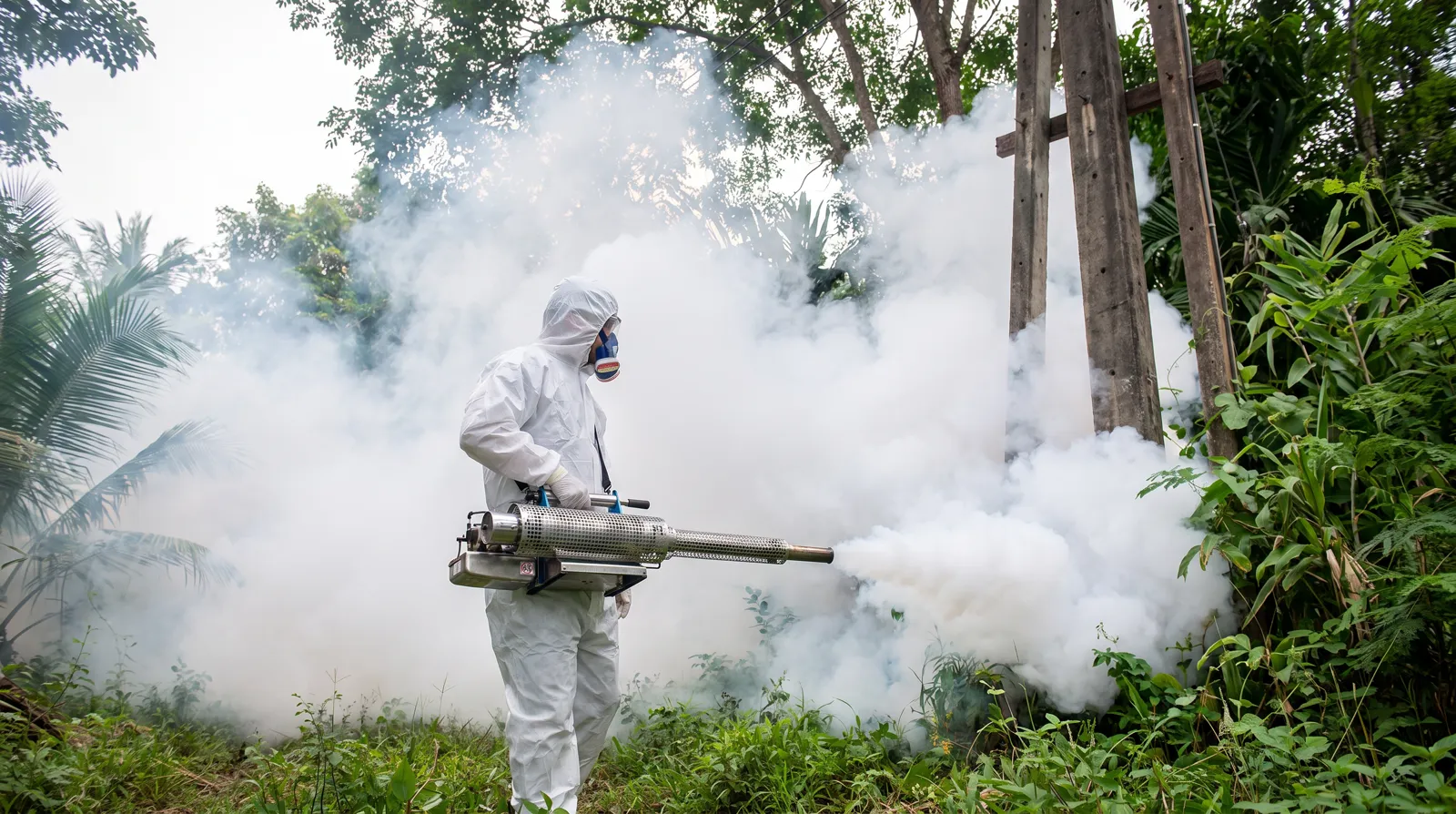
Thermal Fogging & Larviciding
A dense heated fog for large outdoor areas, combined with larviciding of breeding water to cut mosquito numbers fast.
How it works →Got a pest problem? WhatsApp us.
Tell us what pest you're seeing, where your property is and whether it's a home, F&B outlet or commercial premises. We'll arrange a free site inspection and a clear quotation.
Tip: send a photo or short video of the pest or damage. It helps us advise faster.